Why this topic matters to me now
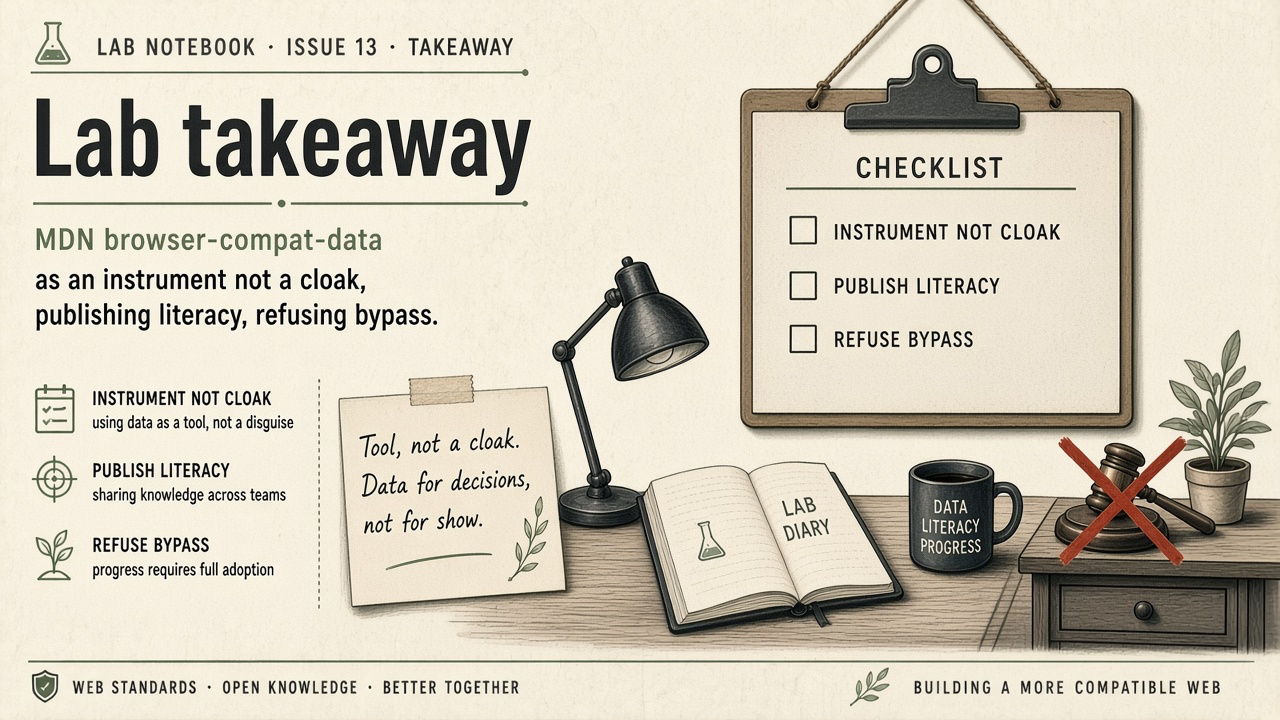
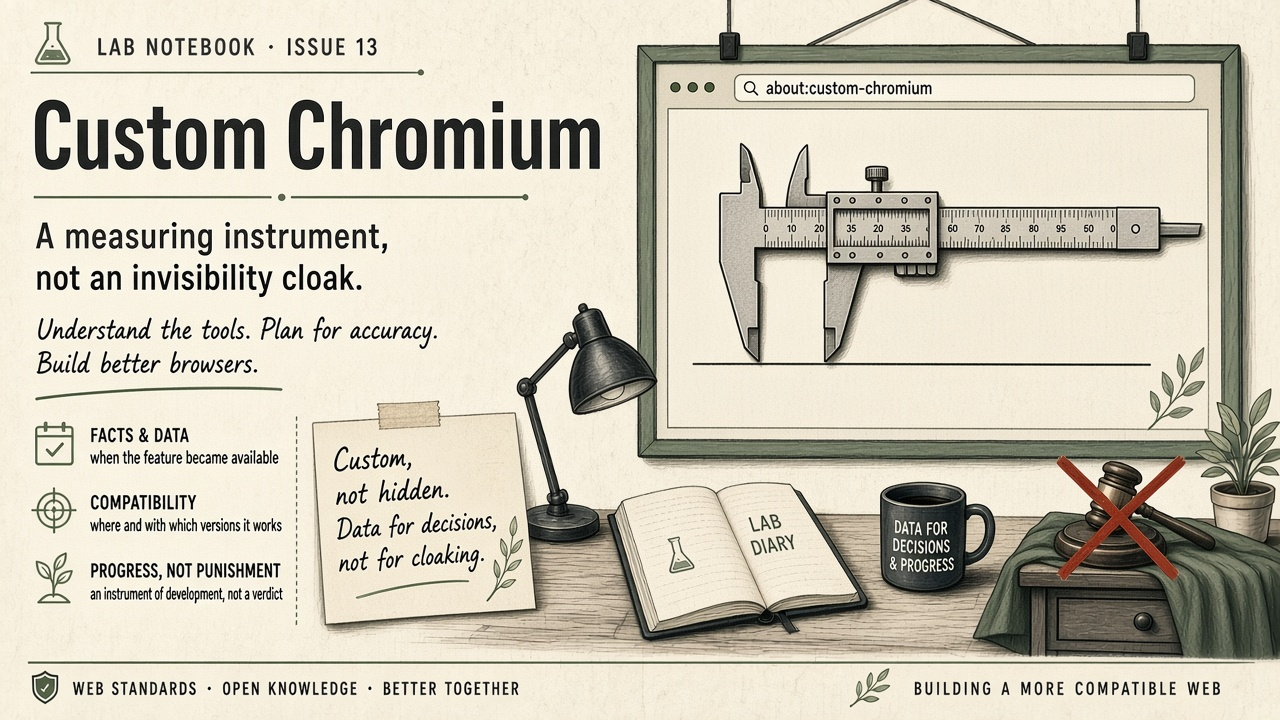
Research Chromium is easy to romanticize as a cloak. I romanticized it. Then the two mirrors brought me back to earth: the build is an instrument. An instrument measures hypotheses. Cloaks are sold in the fairy-tale market.
I assemble a browser to control the variables of an experiment. It is a tool for studying the API surface and the network — not a promise of invisibility.
Public frame (links)
Open Chromium sources and release notes are a legitimate lab. I pin a version, read a layer, change one variable, and watch what drifts in the detect mirror.
What I observe in the lab, in plain words
Why a researcher needs the sources
To separate “this is how the engine works” from “this is the antidetect story I invented.” Controlling variables beats magic. A source tag beats the feeling of “I have my own Chrome.”
Understanding a layer vs fitting antifraud
The first is diary science. The second is a genre this series deliberately does not serve. The difference is not in the code — it is in the goal and in what you may publish.
What stays off-camera
Concrete patches for concrete sites, edge secrets, bypass recipes. Off-camera — on purpose. An instrument without ethics becomes a weapons display.
What this changes in detect and/or in the build (without specifics)
The build gets a success criterion: a falsifiable hypothesis. Detect gets a controlled interlocutor, not a myth of invisibility. “It got greener on the checker” is again only a smoke test.
What I will not say, and why
I do not publish patch lists “for antibot X” and I do not promise stealth.
Short first-person takeaway
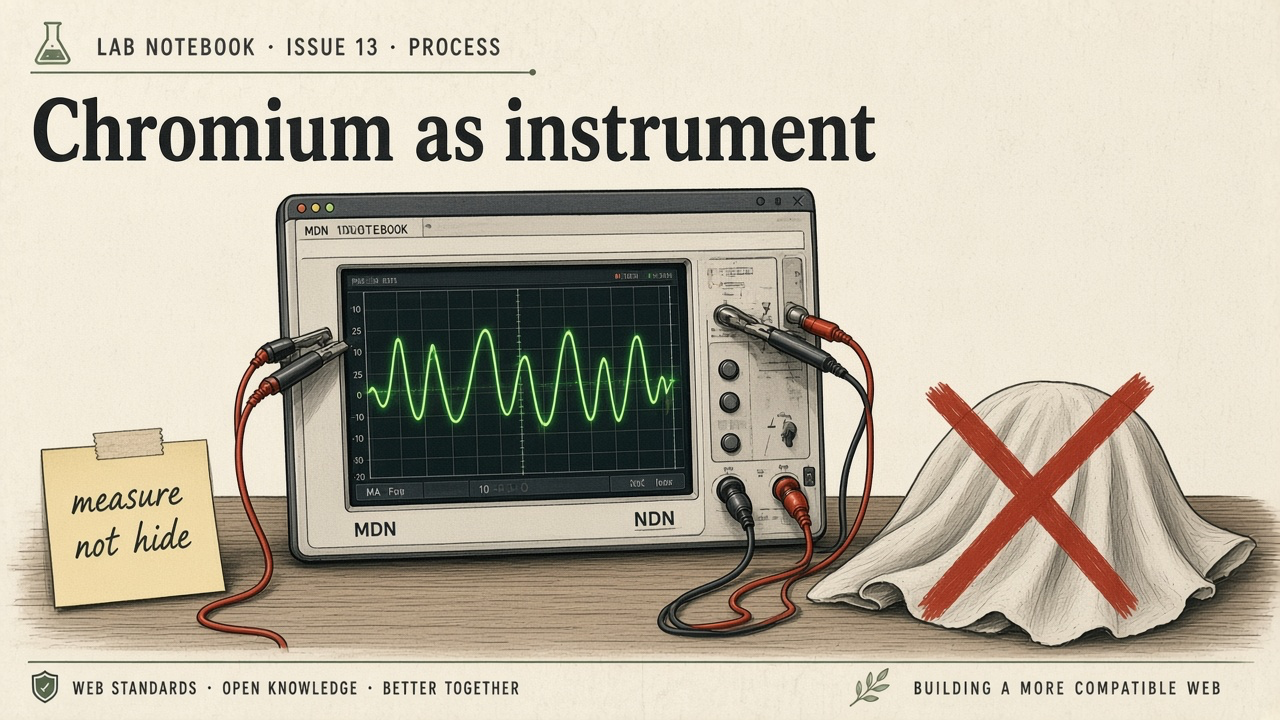
My own Chromium plays the role of an oscilloscope. An oscilloscope does not make the owner invisible — it makes arguments with yourself more honest.