

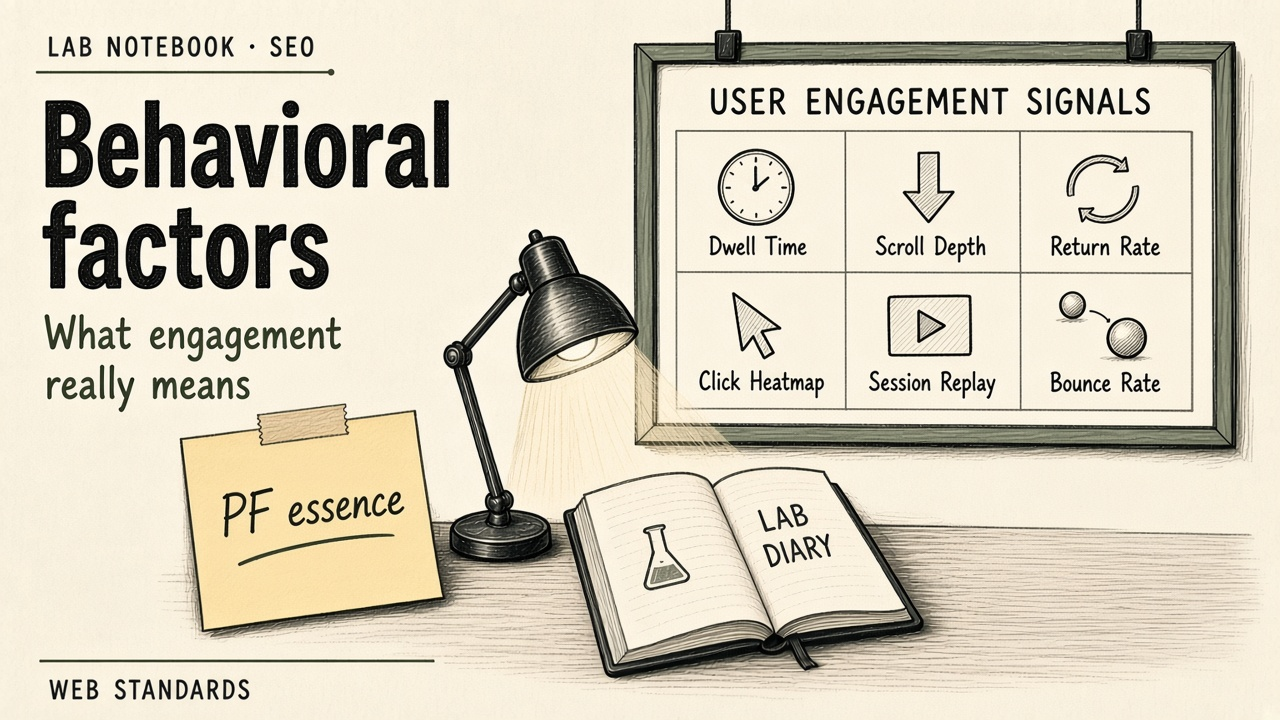
In search optimization, behavioral factors (PF) hold a special place. They reflect how users really treat content: time on page, depth of view, bounce rate. Many webmasters look for quick fixes and turn to fake PF traffic for promotion. The method looks simple but hides serious risks for long-term project health.
What behavioral factors mean
Search engines use algorithms that judge site quality not only by content but by how people interact with it. If a user leaves quickly without reading, that signals low quality. If they stay, scroll to the end, and click links — that is a positive signal.
That is where temptation appears. It seems you can simply imitate those “ideal users”. So appears the service of fake PF traffic for site promotion promising instant ranking growth. Let’s unpack what sits behind that process.
What fake traffic looks like technically
Usually a network of many IPs and devices is used. Scripts or bots emulate real people: open pages, linger, click elements. The goal is an artificial spike in positive PF metrics.
Search engines have long learned to tell organic traffic from synthetic. They analyze behavior patterns: scroll speed, click reaction time, action sequence. Bots often act too perfectly or, conversely, chaotically — both raise suspicion.
Why fake traffic is a bad idea
The main risk is search filters. If the algorithm detects anomalies in user behavior, the site may be sanctioned. That is not just a temporary ranking drop — it can mean long removal from the index.
Fake traffic also does not fix root problems. If content is dull and the interface awkward, real users keep leaving. Artificial metrics do not replace quality. Long term the site stays fragile because its rating rests on a brittle foundation.
Business risks
- Loss of algorithm trust: after sanctions are lifted, the site may never regain prior positions.
- Financial loss: paying for fake traffic does not pay off if the site then drops in the SERP.
- Reputation risk: if clients notice poor content, they leave for competitors.
Alternatives to fake traffic
The only durable way to improve behavioral factors is to make the site genuinely useful. It takes time and effort, but the result is reliable.
Content optimization
Write texts that solve concrete user tasks. Structure information; add examples, diagrams, video. Deeper engagement means better PF. Use analytics to see where people lose interest and improve those spots.
UX/UI improvements
Load speed, mobile responsiveness, clear navigation — all affect time on site. If users find what they need easily, they stay longer. Test the interface with real users and gather feedback.
Work with a loyal audience
Grow email, social, and blogs. Attract returning readers. Their organic behavior is the strongest signal for search engines. That is not site promotion via hint inflation, but honest audience work.
Takeaway
Inflating behavioral factors is a short path to long-term problems. Search engines get smarter and filters get stricter. Instead of spending budget on risky manipulation, invest in content quality, UX, and audience loyalty. That is how you build a site that grows stably and safely.