

Getting a site into the top ten of search results is not magic and not buying links. It is a complex engineering problem that requires understanding Google’s ranking algorithms. Many site owners confuse quick top rankings with real SEO, expecting instant results. The search engine, however, weighs hundreds of factors — from content quality to page load speed.
Why understanding Google’s mechanics matters
Promotion into Google’s top differs from optimizing for Yandex. Google’s algorithms (such as PageRank, E-E-A-T, Helpful Content Update) focus on how useful content is for the user. If your site does not solve the user’s problem better than competitors, it will not rank — no matter how many links you have. That is a fundamental principle to learn before any work starts.
Key ranking factors
- Relevance: how well content matches the search query.
- Technical foundation: speed, indexing, mobile adaptation.
- Authority: quality of inbound links and domain reputation.
- Behavioral signals: time on site, depth of visit, CTR.
A common query is the price of getting a site into Google’s top 10. Cost depends not on promises but on the scope of work. Audit, strategy, content creation, and technical optimization — each stage needs resources. Cheap offers usually hide automated processes that can harm the site.

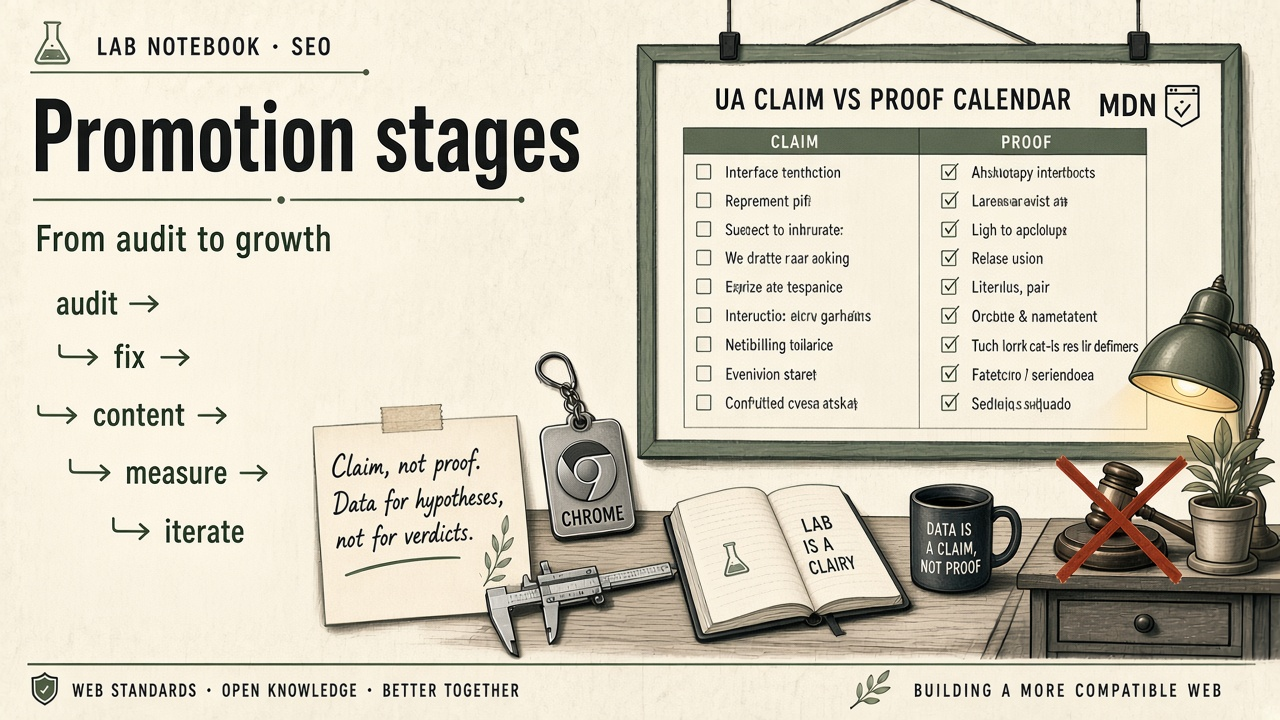
Stages of promotion work
Every project starts with deep analysis. We study the site’s current state, the competitive landscape, and search demand. That yields a realistic action plan. There is no universal recipe for quick top rankings, but there are proven stages that work in about 90% of cases.
1. Technical audit
Google favors fast, accessible sites. If a page takes longer than 3 seconds to load, users leave and the search engine lowers rankings. We check HTML structure, structured data, broken links, content duplication, robots.txt, and sitemap.xml. Fixing technical issues is the base without which a content strategy is pointless.
2. Content strategy
Content must answer users’ questions. We analyze the semantic core, determine query intent, and create content that closes those needs. Avoid filler and fluff. Search engines are smart: they can tell when text is written for bots rather than people. The query “SEO site promotion to the top Moscow” is often sought by those wanting a local effect, but for Google geolocation is only one of many factors.
3. Link profile
Links still matter, but quality has become critical. Mass link buying on exchanges leads to penalties. We work with quality sources where the site is mentioned naturally. That takes time and budget, but yields a durable result. Top promotion via MossEO or other local agencies often rests on this principle: quality over quantity.
Metrics and analytics
How do you know top promotion is working? Look at organic traffic growth, position changes for key queries, and conversion to the target action. Chase query quality, not quantity. One converting query in the top 10 is worth more than a hundred informational ones in the top 100.
We use Google Search Console and Analytics for monitoring. These tools show how users interact with the site and which queries bring traffic. Based on that data we adjust the strategy. It is an iterative process: hypothesis → test → analysis → improvement.
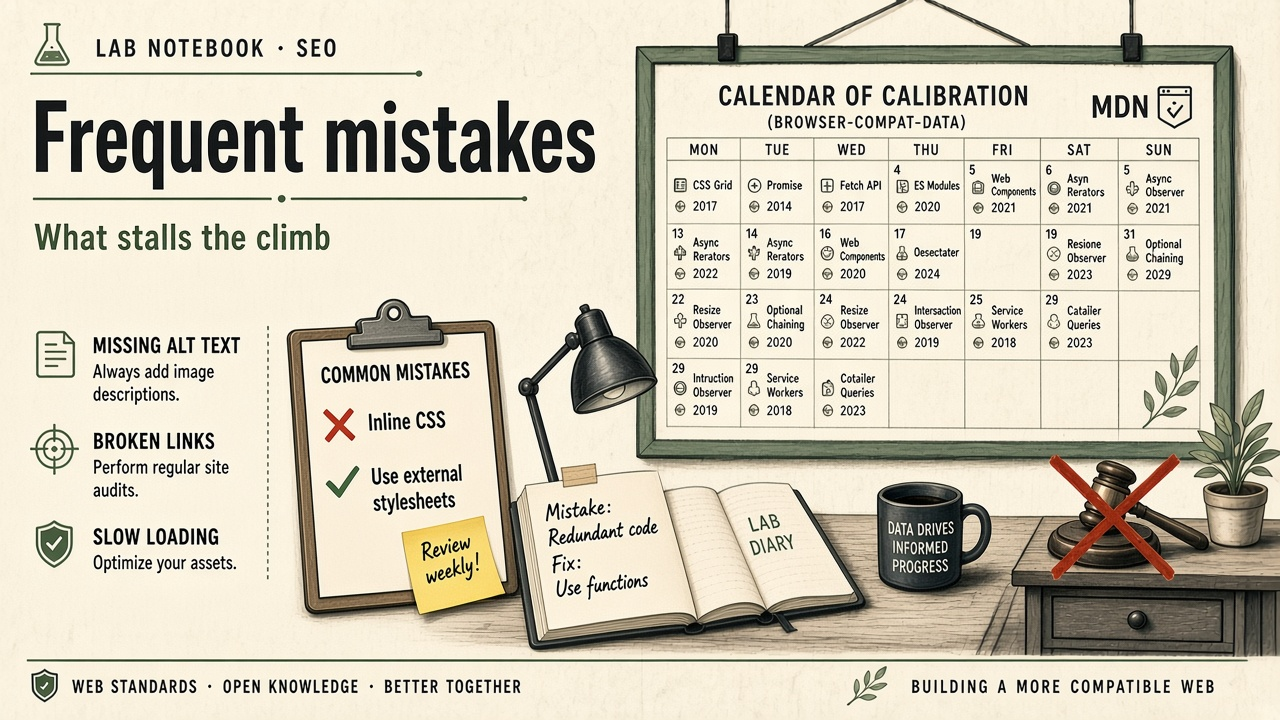
Common mistakes
- Ignoring technical SEO: a beautiful design will not save a slow site.
- Bought traffic: bots do not convert and spoil behavioral signals.
- Spam content: auto-generated text with no meaning.
- Expecting instant results: SEO is a marathon, not a sprint.
Promotion into Yandex and Google tops shares traits but differs in the details. For Google, global domain reputation and international algorithms are critical. For Yandex, local factors and Russian-language content specifics matter more. If you work both markets, the strategy must account for those nuances.
Takeaways
Getting into the top 10 is a long-term business investment. It needs patience, budget, and a professional approach. Do not trust “top in 7 days” promises. Real results show after 3–6 months of systematic work. Our job is to help you build a process that brings a steady flow of clients from search.
Start with an audit and competitor analysis. Decide what you can do better. Create unique, useful content. And keep watching the metrics. That is the path to stable positions in Google’s results.