
The modern digital landscape is hard to imagine without the dominant influence of the Google search engine. For many businesses it is not just a traffic source, but a fundamental part of the sales funnel. Still, the task needs a systemic approach that avoids chaotic experiments. Effective site promotion in the Google search engine requires understanding algorithms, user psychology, and the technical specifics of the resource.
It is important to separate organic promotion and paid advertising from the start. Although they are often mentioned together, their mechanics, payback timelines, and goals differ substantially. Many entrepreneurs wrongly assume that buying ads and forgetting about the site is enough. In practice, paid tools are better for fast hypothesis testing and attracting a target audience in the moment, while organic traffic builds a long-term asset.
Organic search: the foundation of your presence
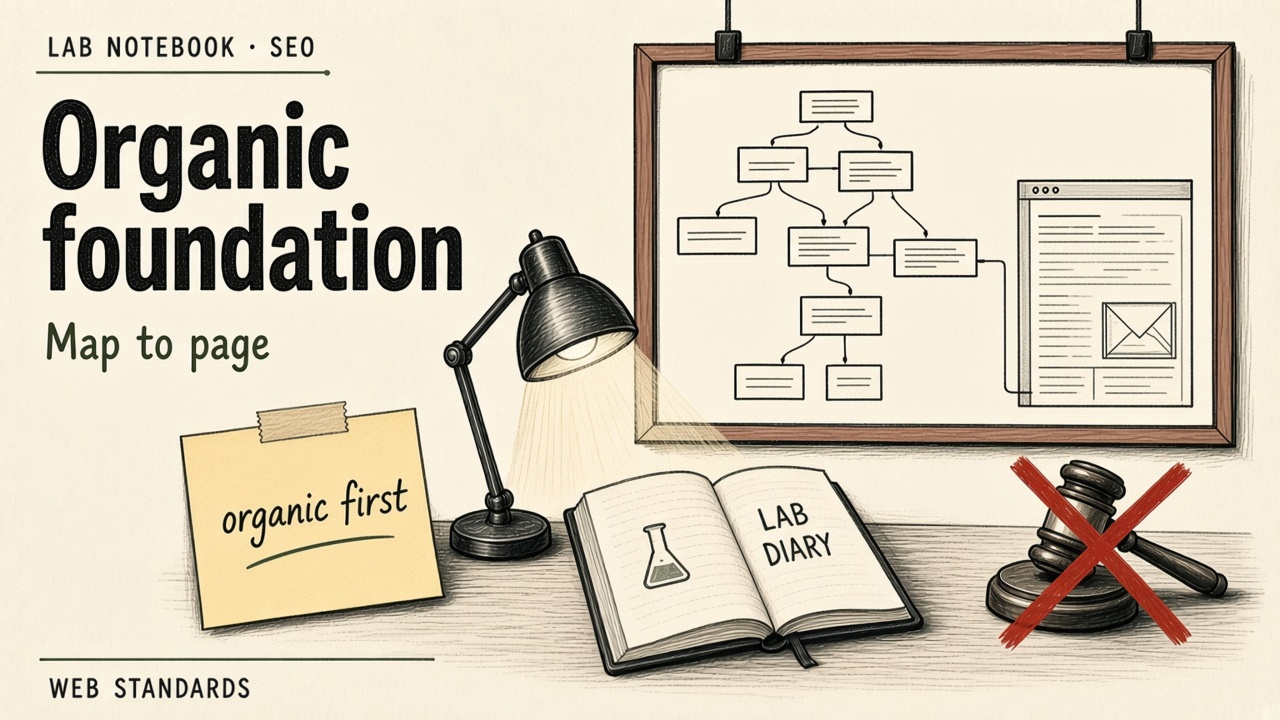
When we talk about classic SEO, we mean optimizing content and site structure for user queries. It is a slow but reliable process. Google’s algorithms analyze hundreds of factors: from page load speed to text quality and topical relevance. If your site offers a unique solution to a problem and the content answers audience questions, the odds of reaching the top rise significantly.
A key mistake is blindly following trendy tactics without analyzing your own niche. Competition in some segments is so high that fighting for “cold” queries can cost enormous resources. Local SEO helps here. If your business is tied to geography, Google Maps promotion becomes one of the most effective channels. Users looking for “restaurant nearby” or “window repair specialist in Moscow” often turn to maps. Optimizing a Google Business Profile, collecting reviews, and keeping accurate opening hours directly affect visibility in the local pack.
Paid tools and their role
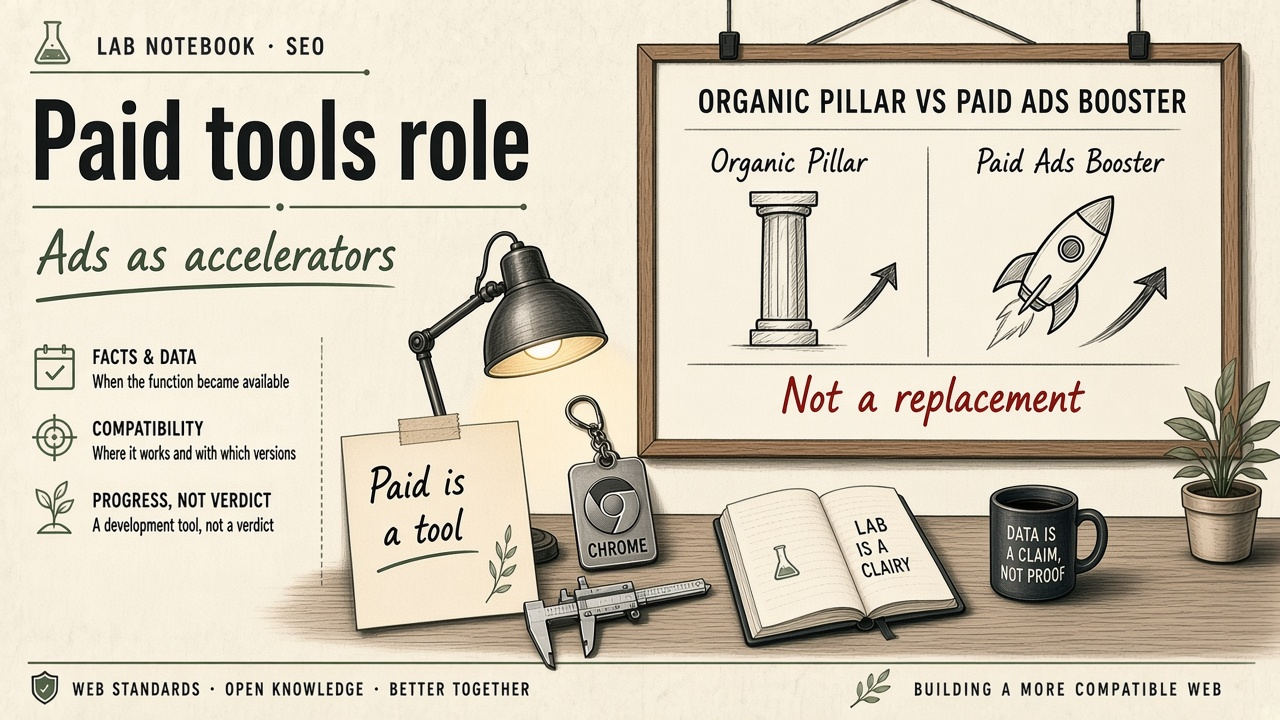
Although organic search is the foundation, ignoring paid tools would be wrong. Google Ads promotion lets you appear in the SERP instantly for chosen keywords. That is especially useful for new projects that do not yet have authority in the search engine’s eyes, or for seasonal campaigns. Unlike SEO, results can be measured in days, not months.
There is a nuance, though: paid ads do not replace a quality site. If the landing page does not convert, you are simply burning budget. So before launching campaigns you need a UX and content audit. Paid traffic is a powerful accelerator, not the engine. It works together with a solid organic base.
Video content and new formats
Text is not the only asset. In recent years more attention goes to video formats. Google Ads video promotion opens access to YouTube audiences and other surfaces in the Google ecosystem. That is especially relevant for B2C brands where emotional response and product visualization play a decisive role. Video can tell a brand story in 30 seconds — something a text format could not do.
Still, remember context. Video should answer a concrete query or solve a user problem. Simply “pretty” clips without a call to action or useful information can lower engagement and raise cost per click.
Risks and common mistakes
One of the main problems is inflated expectations. SEO is a marathon, not a sprint. If you do not see results in two weeks, that is not a reason to panic. Algorithms need time to index changes and assess their quality. Chasing fast results often leads to “black-hat” methods that can bring penalties later.
Another risk is ignoring technical aspects. Broken links, duplicate content, missing responsive layout — all of these hurt user experience and, as a result, SERP position. Regular technical site audits are a mandatory part of any SEO strategy.
A practical checklist to start
To start promotion work you do not necessarily need an expensive agency. You can run a first diagnosis yourself. Use tools that provide data on search queries, competition, and technical site problems.
- Build a semantic core: define which queries are most relevant to your business.
- Analyze competitors: see which positions they hold and what content they use.
- Optimize meta tags: page titles and descriptions should be unique and contain keywords.
- Improve load speed: use caching, optimize images, and minify code.
- Set up analytics: connect Google Analytics and Search Console to track results.
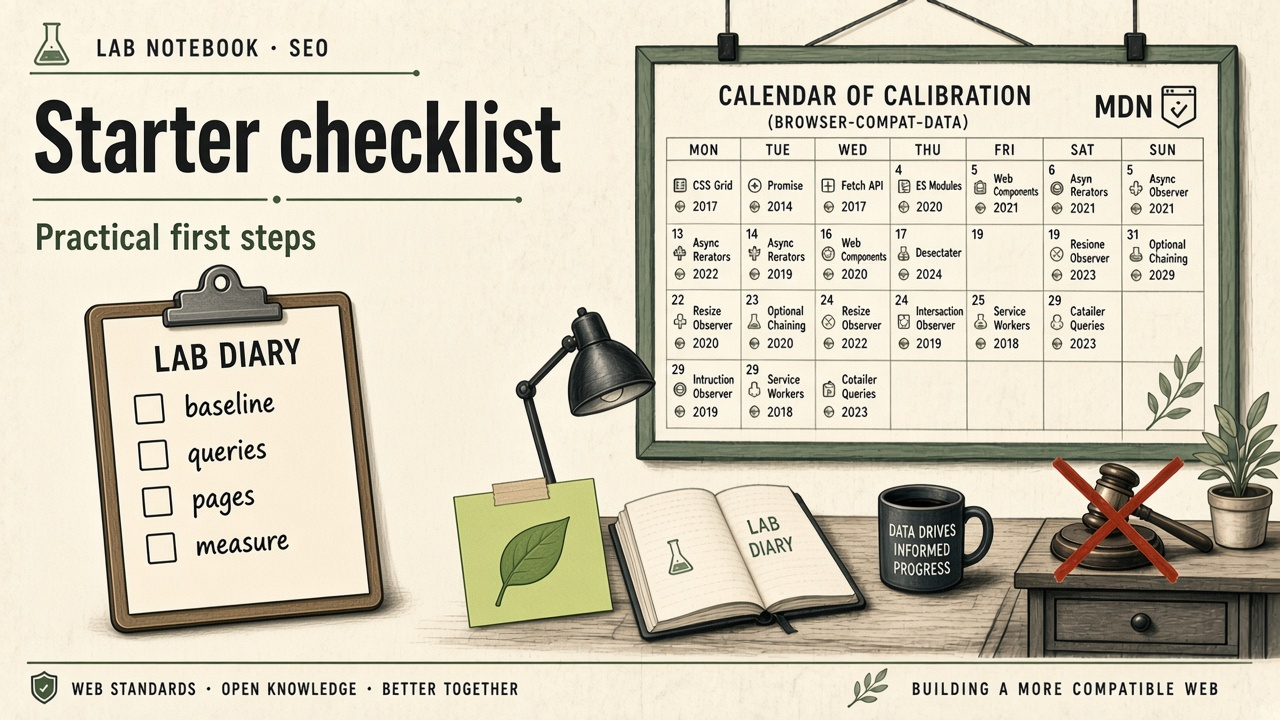
Remember: site promotion in the Google search engine is a continuous process. The market changes, algorithms update, and user expectations evolve. Those ready to adapt and constantly improve their product and content gain a long-term advantage. Do not look for a magic pill — build a foundational strategy on data and logic.
Start small: pick one key direction, for example optimizing local presence or improving copy on main pages. Measure results, adjust course, and scale what works. That approach delivers sustainable growth without nerves and unnecessary spend.