
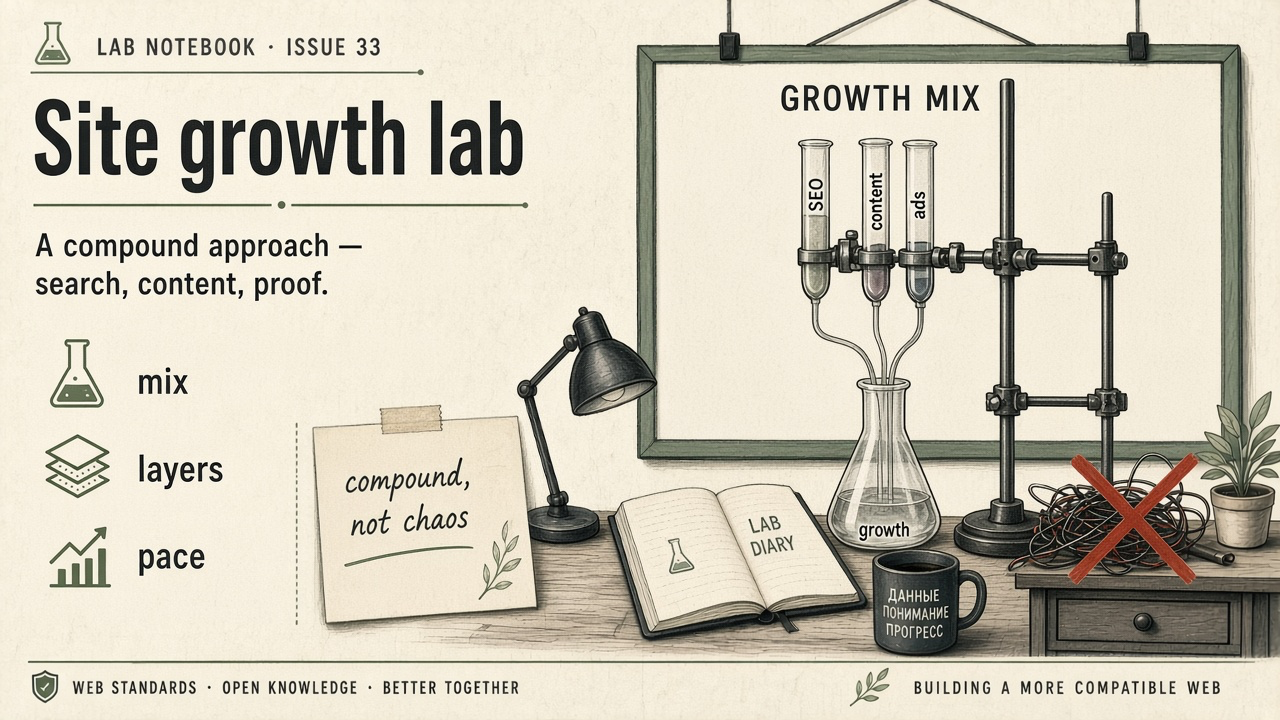
Effective presence in the Google search engine requires a systemic approach. Many business owners wrongly assume that creating a site and waiting for clients is enough. Reality shows that without focused work on visibility, organic traffic stays minimal. In this article we break down key aspects of building a strategy that can put your project in leading SERP positions.
Google promotion: foundational principles
When we talk about Google promotion, it is not only technical code optimization but also creating valuable content. Search algorithms analyze hundreds of factors; among the key ones remain relevance, load speed, and quality of user experience. It is important to understand that Google aims to show the user exactly what they are looking for, so your site must answer queries as precisely as possible.
The foundation of a successful strategy is laid at the audit stage. You need to determine which site sections attract attention and which “brake” conversion. Competitive analysis is also critical to understand which methods rivals use. That helps find unoccupied niches and weak spots in their positioning.
How to promote Google Maps for local business
For companies working with a local audience, the map becomes one of the main client-acquisition tools. The topic of how to promote Google Maps includes several important stages. First of all, you need to verify the organization in Google My Business. That lets you manage the company card, reply to reviews, and add up-to-date information about hours and services.
Quality visual content plays a decisive role. Add photos of the façade, interior, and work examples. Regular information updates and a geotag on the site itself also strengthen the signal to the search engine that you are a local player. That approach significantly raises the odds of appearing in the map pack, which brings targeted traffic.
Promoting English-language sites in Google
If your business goes international, the question arises: promoting English-language sites in Google has its own specifics. You need to account for cultural nuances and query semantics in the English-speaking space. A simple translation from Russian to English often yields poor results because it ignores local idioms and behavioral patterns of users from the US or UK.
You need separate keyword research for each target audience. Also pay attention to site structure: it is better to create separate subdomains or domains for different languages so the search engine clearly understands who the content is for. Technical optimization should include correct hreflang tags that help avoid duplicate content in indexing.
Google Ads promotion: paid traffic
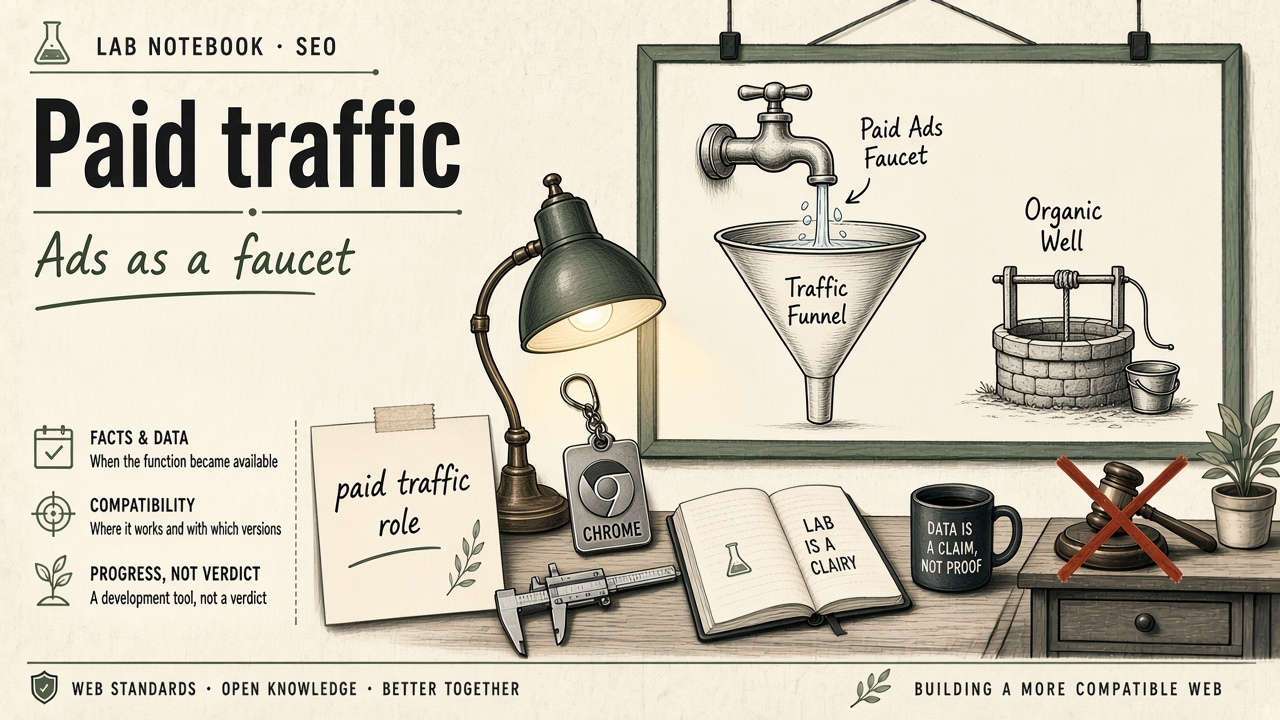
Organic promotion delivers a long-term effect, but for a fast start people often use Google Ads promotion. Paid search lets you appear in the SERP instantly for chosen keywords. Working with paid traffic, however, requires careful campaign setup so you do not waste budget.
A key stage is audience segmentation and bid strategy choice. You need to constantly analyze CTR and conversion metrics, adjusting ad copy and creatives. Integrating Google Ads data with analytics lets you track the full customer path and optimize the sales funnel. That flexible approach lets you test hypotheses quickly and find the most effective acquisition channels.
Google location promotion and service integration
Tools in the Google ecosystem are tightly connected. Google location promotion (in the context of local services and map pins) requires syncing data across all platforms. If company information is fragmented, trust drops for both users and algorithms.
Make sure name, address, and phone (NAP) are identical on the site, on Maps, and in social networks. Also use Google Ads to promote specific locations if you have a branch network. That lets you show ads only to users within the radius of the location you care about, which raises lead quality.
Ad optimization and result analysis
The topic of Google ad promotion cannot skip deep analytics. You need to set goals in Google Analytics 4 to track not just clicks but real actions: leads, purchases, subscriptions. Without that information any attempt to improve a campaign is a shot in the dark.
Regular campaign audits help find inefficient queries and exclude them from serving. It is also important to test different ad formats: text, dynamic, video. Mobile adaptability is a critical factor because most traffic now comes from smartphones. If the site is slow on mobile, users will leave for competitors.
Checklist to start
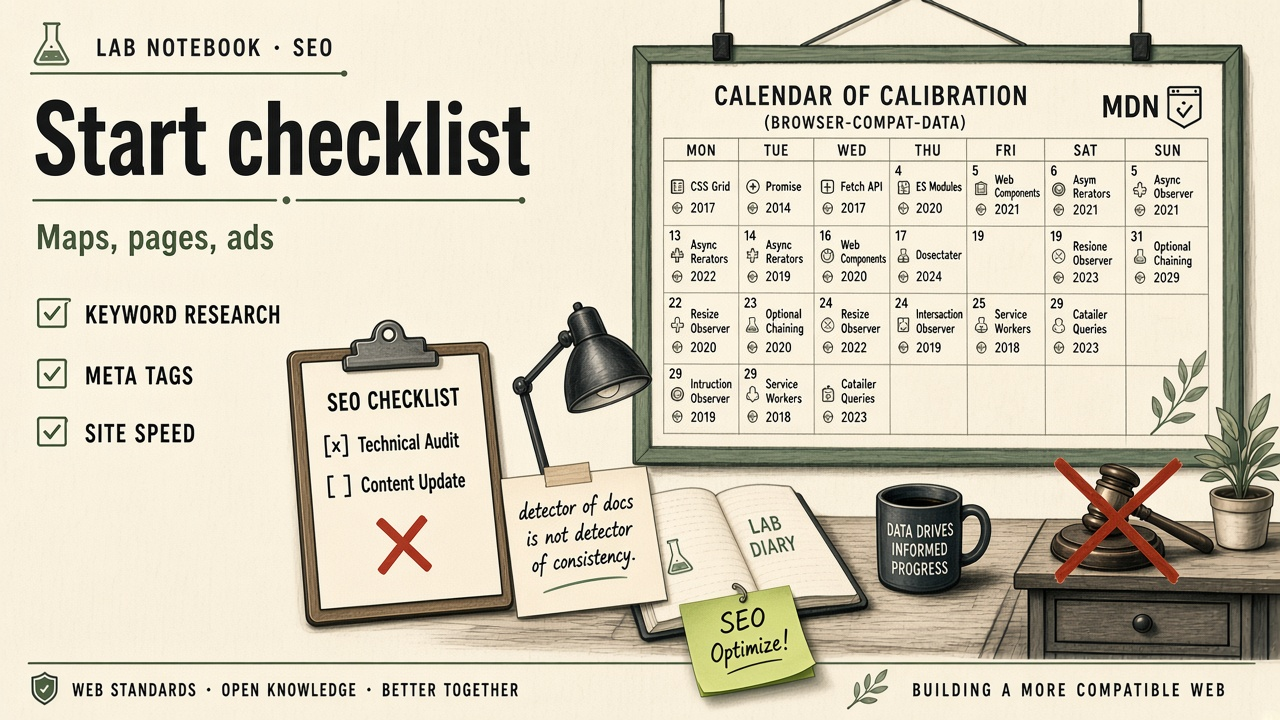
- Run a technical site audit for errors and speed issues.
- Set up Google Search Console and connect the site for indexing.
- Create and verify a Google My Business profile.
- Build a semantic core based on search queries.
- Launch test Google Ads campaigns with a small budget.
- Set up conversion and goal tracking in analytics.
In conclusion, promotion in Google Maps and Google My Business promotion are only part of the bigger picture. Success comes to those ready to keep learning, analyzing data, and adapting strategy to algorithm changes. Do not expect instant results, but be consistent in your actions. Only a comprehensive approach lets you grow sustainably and hold leading positions in the SERP.
Remember that ad promotion in Google is an investment in your business’s future. The earlier you start building a competent traffic-acquisition system, the more resources you save long term. Start small — but start today.