

Searches for “best fake-traffic services” often surface offers to buy behavioral factors quickly. Reality with Google’s algorithms is harder than ad banners promise. Many webmasters look for a fast way to lift a site in the SERP using fake PF traffic for Google, and then face unpredictable outcomes. This article covers how these processes work, what the risks are, and why chasing a quick result can cost the whole site.
Why people look for the best fake-traffic services
Every SEO specialist’s ideal is natural traffic growth from quality content and links. But a market for inflating behavioral factors has existed for years. Its appeal is simple: you pay, and in a few days you see more clicks and time on site. Many believe it is the fastest path to the top without investing in content.
It matters to understand that Google actively watches for anomalies in user behavior. Algorithms analyze not only click volume but patterns. If traffic comes from one IP range, with the same scroll speed and no natural pauses, that is a red flag for the search engine. That is why service-driven inflation often leads not to growth but to a sharp drop in rankings or full removal from the index.
How fake PF traffic for Google is structured
Technically, inflating behavioral factors in Google looks like this. The user picks a site, keywords, and a budget. Then the system starts generating visits. Depending on service quality, that can mean simple clicks, sessions with page views, or even form actions.
Budget options use bots that imitate actions. Premium services recruit real people from task exchanges. Even then there are problems. People often open the site, see it is not what they need, and close the tab. That creates negative signals: high bounce rate and low session time. For Google that is a direct sign of poor content or bad UX.
Fake traffic also harms user experience. If a site accumulates many bots, real users may hit server overload or broken scripts. That is another factor that can hurt rankings.
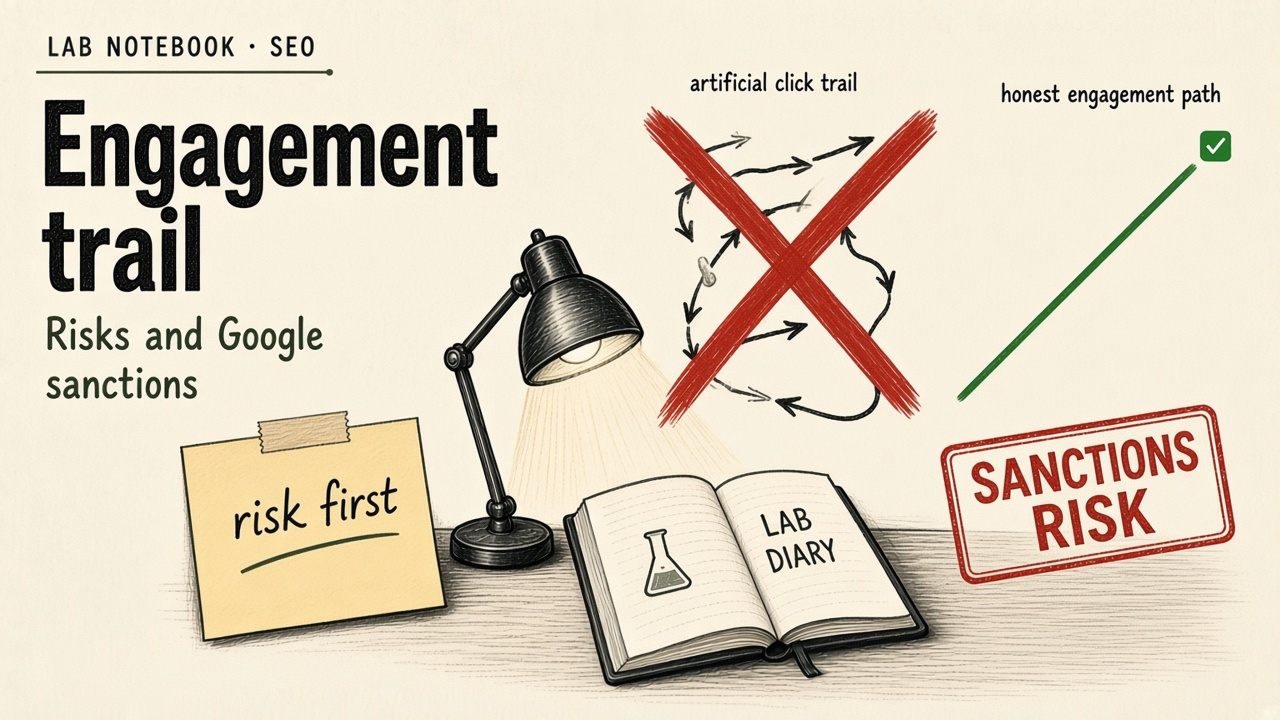
Risks and sanctions from Google
The main danger is sanctions. Google does not publish a detailed trigger list, but the system can tell bots from people. If the algorithm decides traffic is artificial, it may apply a manual or automatic penalty.
- Ranking drop: the site instantly loses top positions across queries.
- Filter: the site hits a spam filter and traffic falls to zero.
- Loss of trust: even after sanctions are lifted, recovery can take a long time.
Fake traffic in Telegram and other messengers also carries risk. If you promote a site via Telegram but the traffic there is artificial, it will not help search rankings and can harm brand reputation. Users quickly notice when bots drown out live conversation, and that kills loyalty.
Alternatives to fake traffic
Instead of hunting for fake-traffic services, focus on organic promotion. What actually works long term:
- Content marketing: useful, unique articles that answer user queries.
- UX optimization: better load speed, responsiveness, and navigation.
- Link building: natural links from authoritative resources.
- Social networks: active presence — without buying followers.
These methods take time and effort, but they give a stable, predictable result. They also protect the site from sanctions because the actions match Google’s rules.
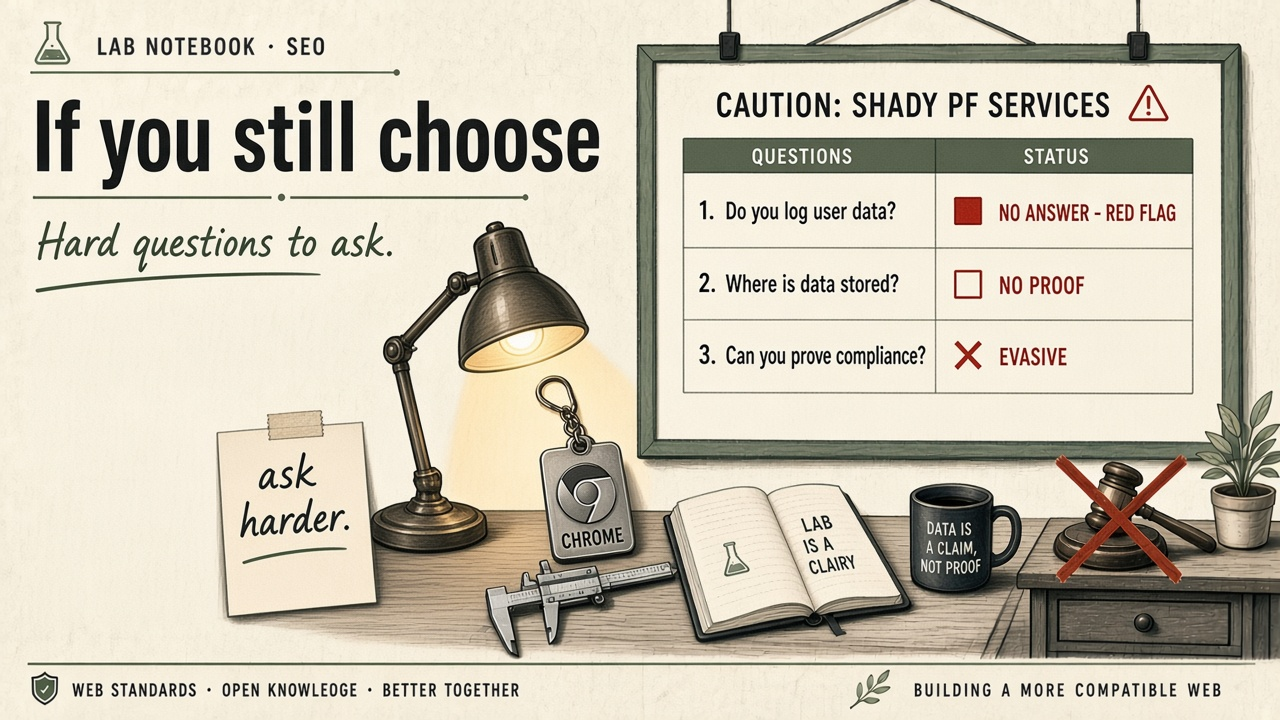
How to choose if you still insist
If you still decide to use fake traffic, even for a test, remember safety rules. Never inflate more than 10–15% of traffic. Use different IPs and devices. Test on small queries, not highly competitive ones. Most important: monitor rankings and traffic daily. If you see a sharp drop, stop the campaign immediately.
Better still — do not start. Investing in content and site quality pays back faster than recovering from sanctions. Google values sites that help people, not sites that try to cheat algorithms.
Checklist before launch
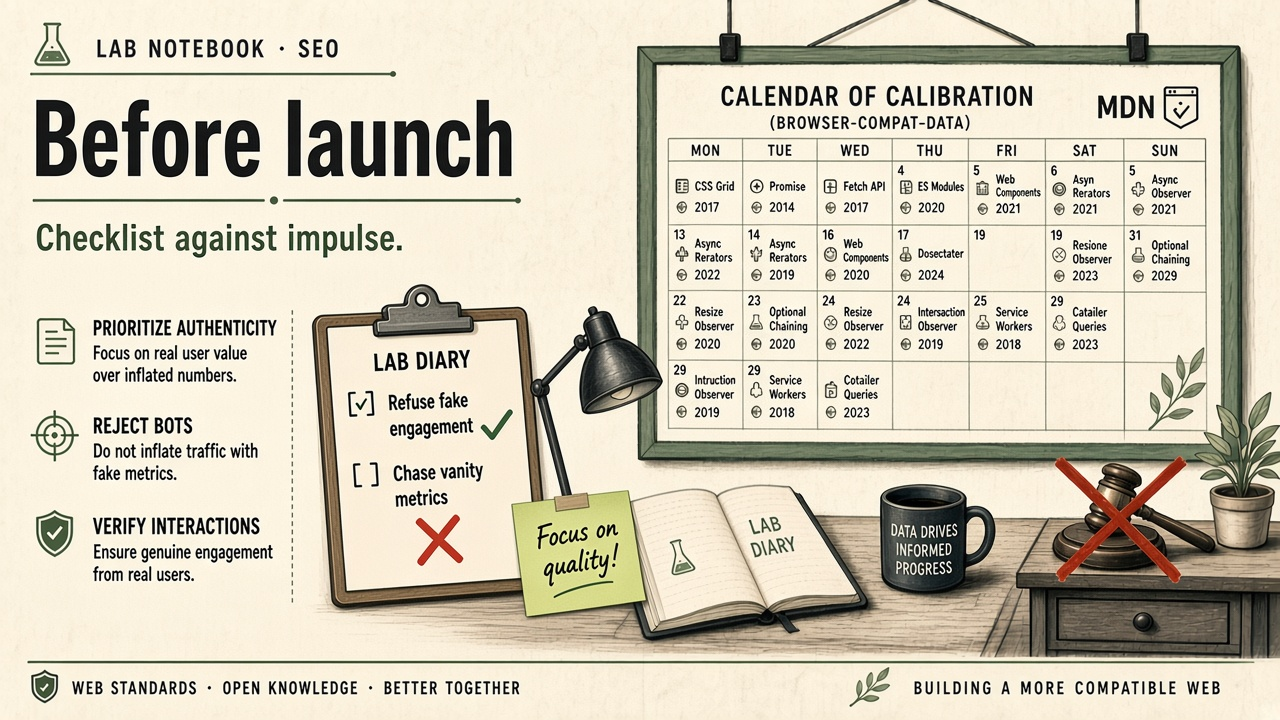
Before deciding, walk this list:
- Have you assessed current content quality?
- Have you checked site load speed?
- Do you have a plan for organic traffic?
- Are you ready to lose the site if sanctioned?
- Do you understand fake traffic does not guarantee results?
If the answer to even one question is “no”, do not rush into fake traffic. Spend the time improving the site and content. That is safer and more effective for the business.
In short, fake PF traffic for Google is a risky game. It may give a short-term effect, but with high probability it leads to long-term problems. Better focus on organic methods that bring stable growth and keep the site’s reputation.