

In search optimization, behavioral factors (PF) hold a special place. They reflect real interaction with content: time on site, depth of view, bounce back to the SERP, and returns. Many site owners look for fast ways to improve these metrics via behavioral-factor inflation services. It matters to understand that inflating behavioral factors is not just a technical tool but a complex process with high risk to a site’s reputation in search engines.
What behavioral factors are and why they matter
Behavioral factors are data a search engine collects about user actions after a SERP click. Key metrics include:
- Time on page: how many seconds a user spends on a given URL.
- Depth of view: how far the page was scrolled and which sections opened.
- Bounce-back rate: whether the user returned to the SERP right after viewing.
- Click count: transitions to other pages on the site.
Search engines such as Yandex and Google use these as an indirect quality signal. If a user quickly goes back, algorithms may treat that as poor relevance. That is the logic behind site behavioral-factor inflation via automated services.
How inflation through services works
The market offers many ways to “improve” PF. Specialized platforms such as LBoost or similar services are common. Typical flow of behavioral-factor inflation via a service:
- The client registers and tops up a balance.
- A site or page URL is provided.
- Parameters are chosen: session time, scroll depth, return counts.
- The service generates virtual or real sessions (depending on the method).
Some services offer inflation for marketplaces, e.g. Ozon behavioral-factor inflation, where not only search but internal platform algorithms matter. Such methods can violate platform rules and lead to account bans.
Inflation in Yandex and Avito: specifics
Each platform has its quirks. Behavioral-factor inflation in Yandex aims at better organic positions. Yandex algorithms are more sensitive to traffic anomalies than early Google versions were. Methods that once worked are easier to detect now.
For classifieds like Avito the logic differs. Interaction with the product card matters. Avito behavioral-factor inflation often means longer card view time and lower bounce-back. Avito actively fights bots with CAPTCHA and behavior-pattern analysis. Trying Moscow site behavioral-factor inflation with local methods can be risky due to high competition and strict moderation.

Prices and cost of services
Cost varies by service and volume. Usually behavioral-factor inflation pricing is per session or time on site. Cheap offers often mean bots — maximally risky. More expensive services may use real people (click farms), which looks more “natural” but still is not safe.
When choosing a behavioral-factor inflation service, check reviews, a trial period, and refunds. Even the best services cannot guarantee rankings because search algorithms keep changing.
Risks and consequences for the site
The main risk is search filters. Yandex may punish a site for “manipulating behavioral factors”, causing a sharp ranking drop and traffic loss. Recovery can take months and heavy cleanup of content and traffic.
Additional risks include:
- Loss of trust from real users if stats look anomalous.
- Blocks in ad accounts if traffic is seen as low quality.
- Legal exposure if inflation is used in fraud schemes.
So when considering Yandex behavioral-factor inflation, weigh short-term gain against long-term business risk.

Alternatives: organic PF improvement
Instead of risky inflation, focus on content quality. What actually works:
- Load-speed optimization: a slow site scares users and hurts PF.
- UX/UI improvements: clear navigation, readable design, responsiveness.
- Quality content: detailed copy, video, infographics, answers to questions.
- Internal linking: keeps users on the site longer.
These take time and resources but give a durable result without sanction risk. LBoost-style site behavioral-factor inflation or similar services may give a quick effect that is temporary and unstable.
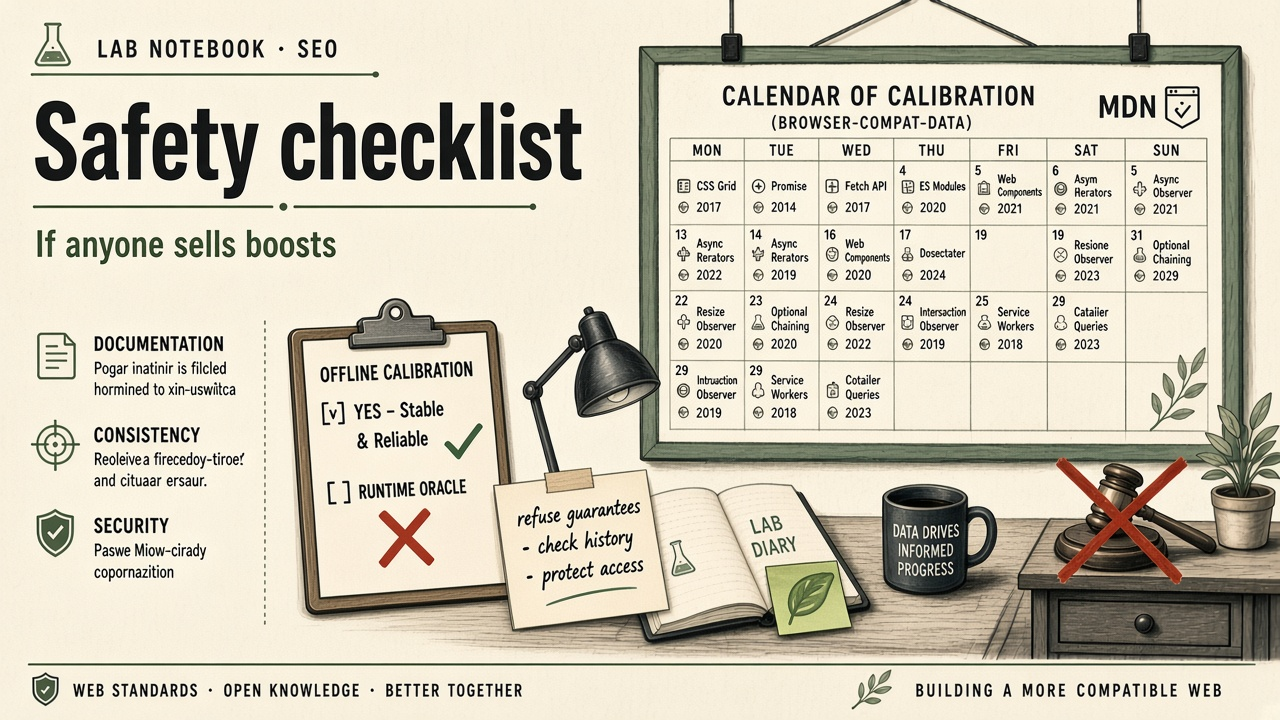
Safety checklist if you still use inflation services
If you still decide to use services, follow these rules:
- Start with a small traffic volume to test search reaction.
- Use different IPs and browsers to imitate real users.
- Do not inflate critical pages all at once — spread the load.
- Monitor site stats daily for anomalies.
- Be ready to stop at the first signs of sanctions.
Conclusion
Inflating behavioral factors is a controversial promotion method. It may give a short-term effect but carries serious risk to long-term site stability. Better invest time in content quality and UX. If you still use services, do it carefully, understanding the consequences. Search engines get better at spotting manipulation. The only reliable path to high rankings is content that truly helps users.