
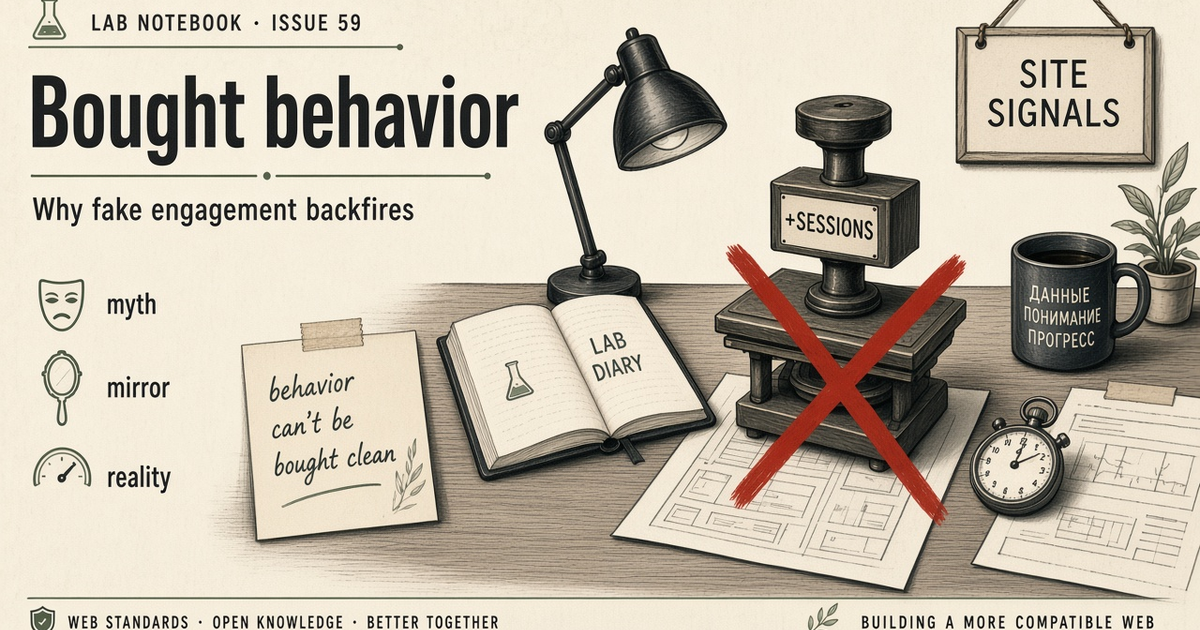
In search engine optimization, behavioral factors have always been considered one of the key ranking elements. They reflect real user interaction with content: time on site, browse depth, bounce rate, and return rate. These metrics help algorithms understand how useful and valuable a resource is for the audience.
However, the market quickly adapted to these requirements. Services and methods appeared that artificially generate these indicators. The practice known as behavioral factor inflation became a popular but highly risky tool in the SEO specialist's toolkit.
What manipulating behavioral metrics means
Breaking traffic naturalness means creating false signals for search engines. Usually this happens through bots, scripts, or paid services that emulate real visitor actions. The goal is to make algorithms treat the site as more attractive than it really is.
Typical methods include:
- Using automated scripts to generate sessions.
- Buying traffic from low-quality sources where users do not read the content.
- Manipulating cookies and referrers to hide the transition source.
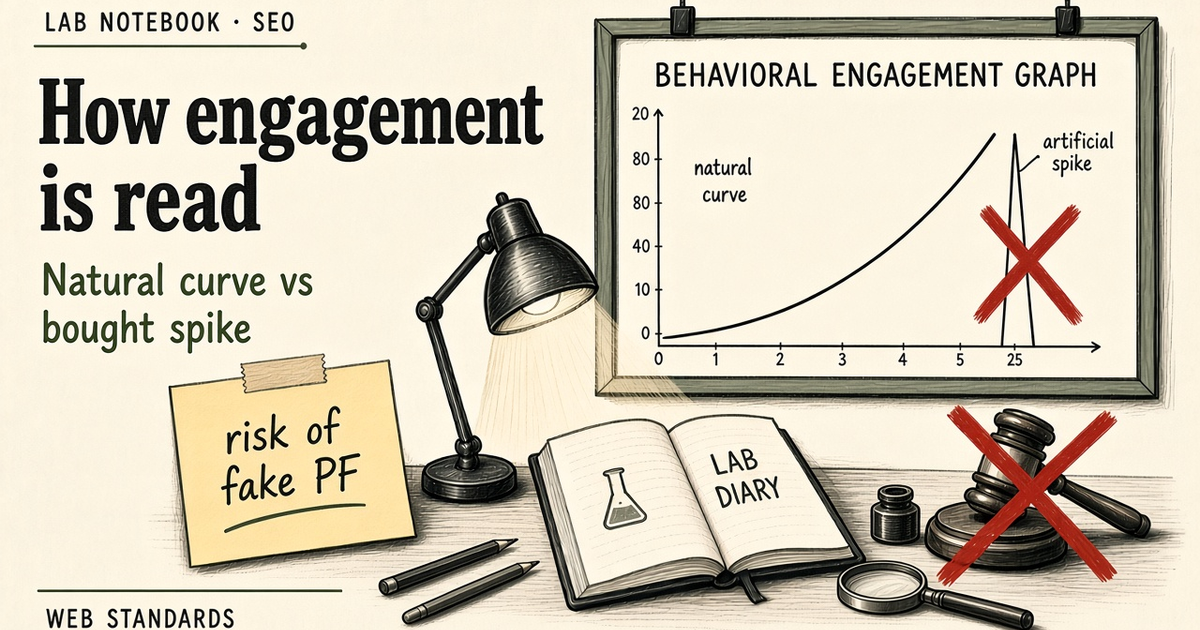
Search engines actively develop technologies to detect such anomalies. Algorithms analyze behavior patterns, click speed, session distribution evenness, and other technical nuances that are hard to reproduce with simple bots.
Risks and consequences for the site
The main danger of inflation is unstable results. Even if rankings improve in the short term, in the long term it leads to serious problems. Search engines apply filters for rule violations, which causes ranking drops or full removal from search results.
Algorithmic sanctions
If the system detects unnatural patterns, the site may fall under filters. This does not always mean a full ban, but rankings drop sharply and recovery becomes very difficult. Such sanctions can last for months and require a complete change of promotion strategy.
Reputational losses
Beyond technical consequences, inflation hurts brand reputation. If users notice the site does not match expectations formed by artificial traffic, they lose trust. That lowers conversion and drives away the target audience.
Why inflation fails long term
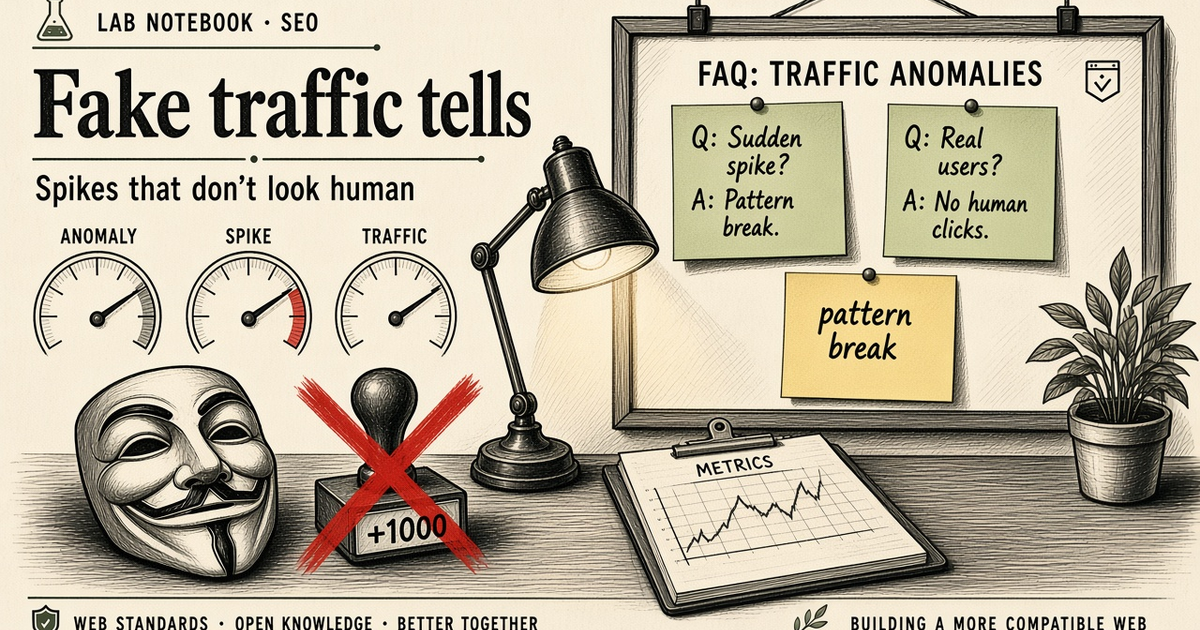
Modern search algorithms have become much smarter. They can distinguish a real person from a bot or script. Signs of unnatural traffic include:
- Sessions that are too short for the content volume.
- Evenly distributed time on site without natural fluctuations.
- No interaction with interface elements (buttons, links, forms).
- Anomalous user geography and devices.
Even the most advanced inflation services cannot fully imitate the complex, multifaceted behavior of real people. So the risk of detection remains high.
Safe alternatives to inflation
Instead of risking the site, focus on organic improvement of behavioral factors. It takes time and effort, but brings stable, long-lasting results.
Quality, useful content
Create materials that truly solve user problems. Detailed guides, expert opinions, practical tips — all of this increases time on site and lowers bounce rate. Users stay longer when they find valuable information.
Improving user experience (UX)
Clear navigation, fast page load, responsive design, and an intuitive interface support positive behavioral metrics. Users gladly explore a site that is comfortable to use.
Internal linking
A logical site structure and proper internal linking help users find related materials. That increases browse depth and session time — a positive signal for search engines.

How to check whether the site was inflated
If you suspect your site was manipulated, run an internal audit. Watch for these signs:
- Sharp traffic spikes with no visible reason.
- Anomalous session duration in analytics.
- High bounce rate together with high time on site.
- Unusual visitor geography.
Use web analytics tools for detailed user behavior analysis. If the data looks suspicious, consult an experienced SEO specialist.
Conclusions
Breaking the naturalness of behavioral factors leads to instability and potential sanctions. In the long run, organic site improvement, quality content, and UX optimization bring far more value than any inflation methods. Invest in real improvements, not illusions, and your site will grow sustainably and safely.