

On-site behavioral factors are the set of user actions that search engines use to assess resource quality. Unlike technical parameters or content, these metrics reflect how the user really perceives the information. Traffic analysis algorithms collect data on how visitors interact with the page: how long they stay, which links they click, and whether they return to the SERP.
Core behavior metrics
To understand how behavioral factors affect ranking, you need to highlight the key indicators. They form a picture of page quality from the user's point of view.
- Browse depth (Depth of View): how far the user scrolled the page. Low depth may signal uninteresting content or poor structure.
- Time on Site: total time the visitor spends on the resource. It is important to consider time on each page separately to exclude the influence of heavy load elements.
- Page Views: number of pages opened in one session. A high figure means the site holds attention.
- Bounce Rate: share of sessions where the user viewed only one page and left. A high bounce rate is often treated as a negative signal.
Search engines do not disclose the exact weights of these metrics, but practice shows that comprehensive improvement of on-site behavioral factors positively affects organic traffic. This is especially visible in competitive niches where technical site parameters are similar.

How behavioral factors affect rankings
The mechanism of ranking behavioral factors is built on feedback. When a user quickly returns to the SERP (a so-called "pogo-stick"), the algorithm may interpret that as a mismatch between the page and the query. Conversely, if the user stays on the site, clicks internal links, and completes a goal action, that is treated as confirmation of relevance and usefulness.
Subjectivity of assessments
It is important to understand that behavioral factors are subjective. Different audiences react differently to the same content. So when analyzing metrics you need to segment traffic by source, device, and geography. Comparing indicators across these segments gives a more accurate picture than site-wide averages.
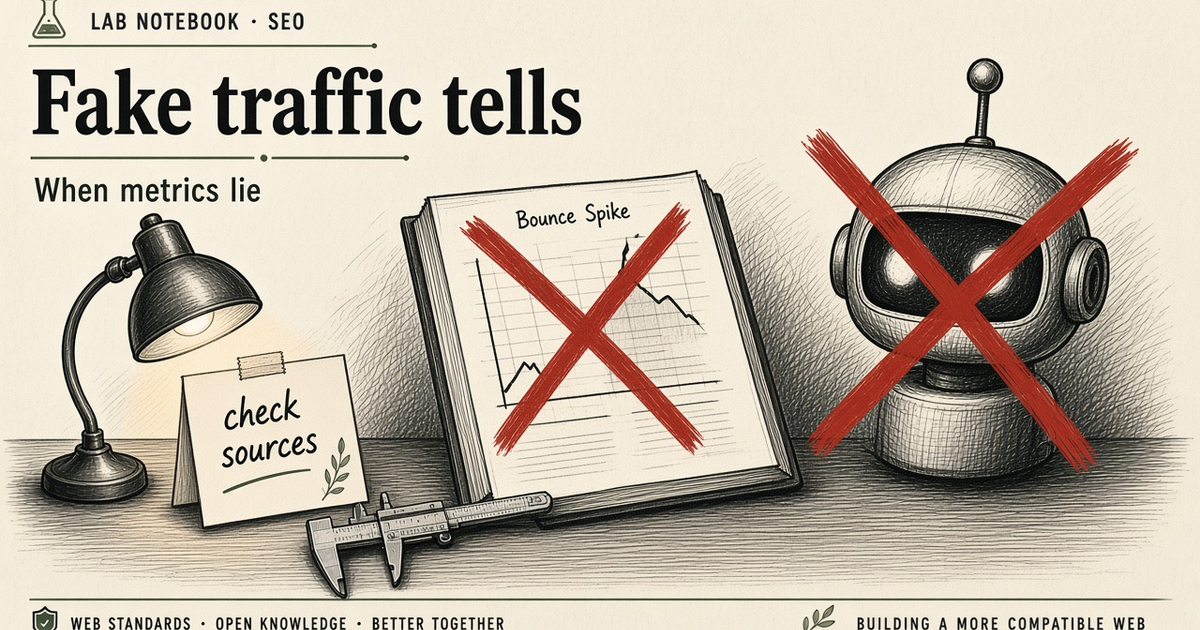
Also consider seasonality and changes in user behavior. A sudden bounce spike may be caused not by worse quality but by changed audience expectations or external factors such as technical outages or competitor promotions.
Practical methods to improve indicators
Improving on-site behavioral factors requires a systemic approach. Below are concrete steps you can implement to raise user experience quality.
Optimizing content structure
Content should answer user queries as accurately and fully as possible. Use subheadings, lists, and key-point highlighting to ease reading. Long texts are better split into logical blocks. Add visuals — images, diagrams, or video — to diversify how information is presented.
Faster page loading
Load speed directly affects bounce rate. If a page opens slowly, the user may simply close the tab. Optimize image size, use caching, and minify code. Modern standards expect main content to load within the first two seconds.
Internal linking
A well-thought-out internal link system helps keep the user on the site. Offer relevant materials that complement the current topic. That increases browse depth and time on site. Make sure links are placed organically and do not overload the interface.
Mobile responsiveness
Most traffic comes from mobile devices. If the site is inconvenient on a smartphone, behavioral factors will worsen sharply. Check text readability, button size, and performance across screen resolutions.

Analysis and monitoring
Regular monitoring of behavioral metrics lets you react to changes in time. Set up automatic reports in web analytics systems. Track key indicator dynamics by week and month. Compare results after changes to assess effectiveness.
Use heatmaps and session recordings for deep analysis. These tools show where users lose interest, which buttons they click most, and where technical problems appear. That detail helps make informed decisions on interface and content improvements.
Common mistakes
Many webmasters make typical mistakes when working with behavioral factors. One is chasing high metrics at the expense of quality — for example adding artificial delays or complex animations just to increase time on site. Such methods do not work and worsen user experience.
Another mistake is ignoring context. A high bounce rate on a contact page can be normal if the user found the needed data and left. Analyze metrics together with the goals of each specific page.
Conclusion
Ranking behavioral factors are an important but not the only element of an SEO strategy. They reflect real resource quality from the user's point of view. Systemic work on improving these indicators — combining content, speed, and interface optimization — leads to sustainable organic traffic growth. The key success factor is constant attention to audience needs and readiness to adapt the site to changing expectations.