
Many founders and site owners think growth in search always requires expensive specialists. In practice, solid and even advanced DIY Google promotion is realistic if you follow a systematic approach. This article covers how to build SEO work without unnecessary spend.
Why start with analytics
Before active moves, understand the site’s current state. Without data, any changes are blind. Connect Google Search Console and Google Analytics 4. They show which queries already bring users, which pages get clicks, and surface technical errors that block indexing.
Basic analytics setup
- Verify tracking codes on every page.
- Set GA4 goals for conversions (leads, purchases, subscriptions).
- Study the Queries report in Search Console to find the most promising keywords.
Semantic core and keywords
A frequent mistake in DIY Google promotion is having no clear semantics. Collect queries potential clients type. Use free tools like Google Keyword Planner or competitor-analysis services.
Group keywords by site pages. One page should answer one query or a few closely related ones. That helps the crawler understand your content and show it for relevant searches.

Technical site optimization
Even the best text fails if the site is slow or poorly adapted for mobile. Google uses mobile indexing, so smartphone load speed is critical.
What to check first
- Load speed: use PageSpeed Insights. Optimize images (WebP, compression), minify CSS and JS.
- Clean code: remove extra scripts, disable unused plugins.
- Responsiveness: check display on different screens via developer tools.
- robots.txt and sitemap.xml: ensure they are set correctly and reachable by crawlers.
Content and meta-tag optimization
Content must help people, not only bots. In DIY site promotion and optimization, write texts that answer user questions. Use H2 and H3 headings to structure material.
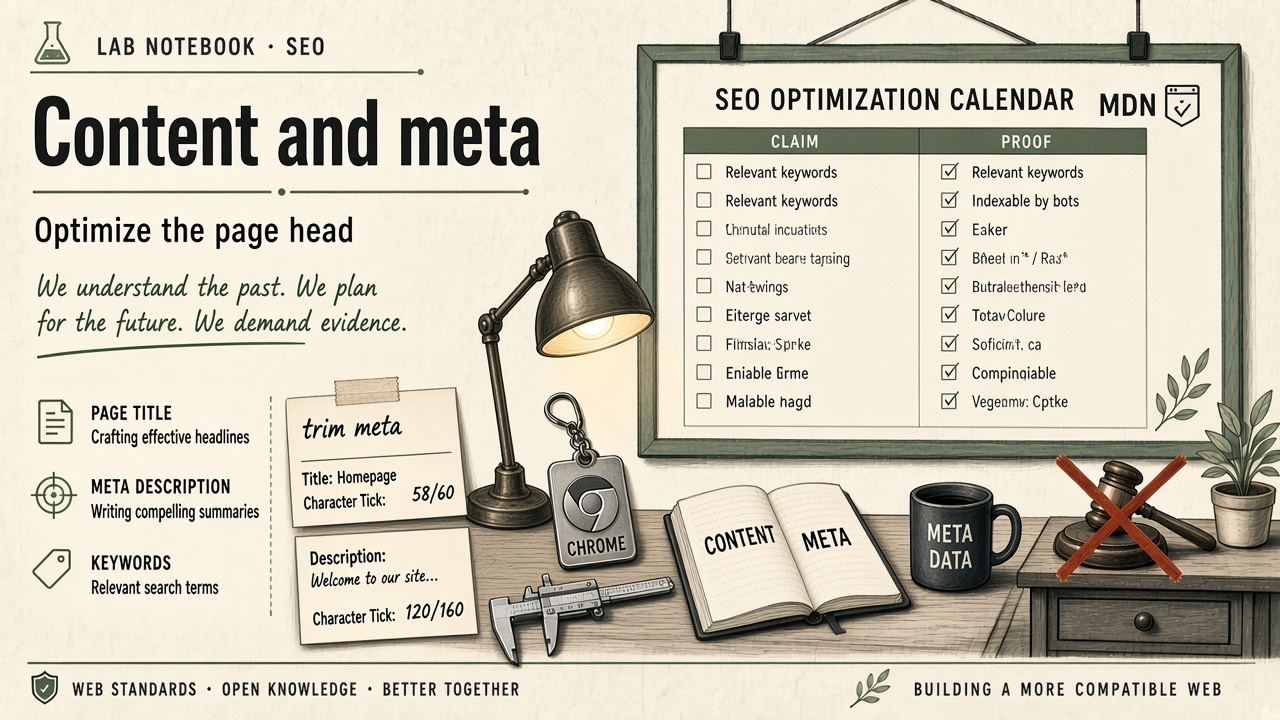
Do not forget meta tags. Title should include the keyword and be unique. Description should motivate a click in the SERP. These tags do not directly drive rankings, but they improve CTR, which indirectly helps promotion.
Internal linking
Internal links distribute page weight across the site. If you have a home page and several subpages, they should be linked logically. That eases navigation for users and helps Google understand structure.
When writing anchors, use natural wording. Avoid stuffing the same keyword into every link text — that can look like spam.
External links and backlinks
Backlinks remain a ranking factor. In 2024, quality matters more than quantity. Instead of buying link packages, focus on:
- Guest posts on niche blogs.
- Mentions in news and industry media.
- Partner integrations and company directories.
Watch the link profile via Ahrefs or SimilarWeb. If you see harmful links, you can request disavowal through Google Search Console.
Analyzing results and adjusting
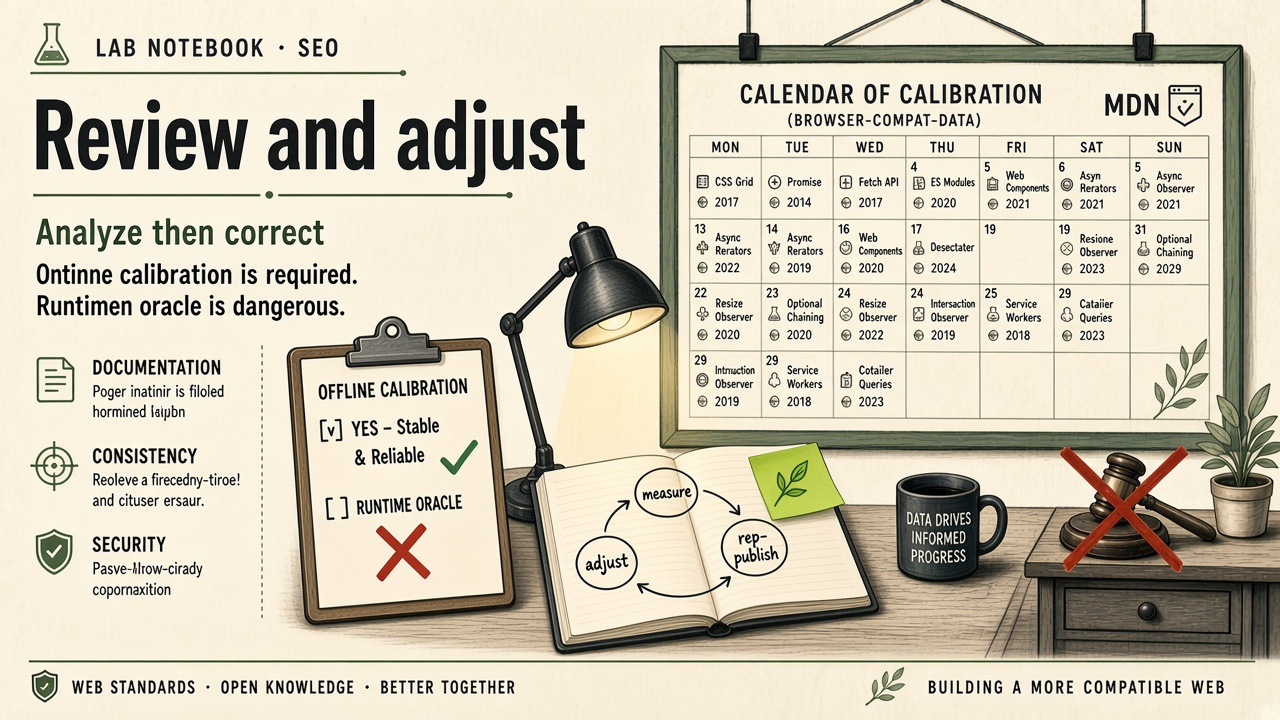
SEO is not a one-time action but an ongoing process. Each month review Search Console and GA4 reports. See which queries rose and which fell. If rankings drop, check whether the SERP changed or stronger competitors appeared.
Do not fear experiments. Change titles, improve content, add sections. Track how changes affect traffic and conversion.
Common beginner mistakes
In DIY site promotion for beginners, these mistakes are common:
- Copying text from other sites (duplicates).
- Keyword stuffing.
- Ignoring the mobile version.
- No analytics or result tracking.
- Trying to rank for huge-competition queries without strong links.
Conclusion
Doing DIY SEO from scratch is possible if you know the basics. Start with an audit, fix the technical layer, create useful content, and review results regularly. As the site and competition grow, you can scale efforts or bring in specialists for hard tasks. What matters most is consistency and patience.