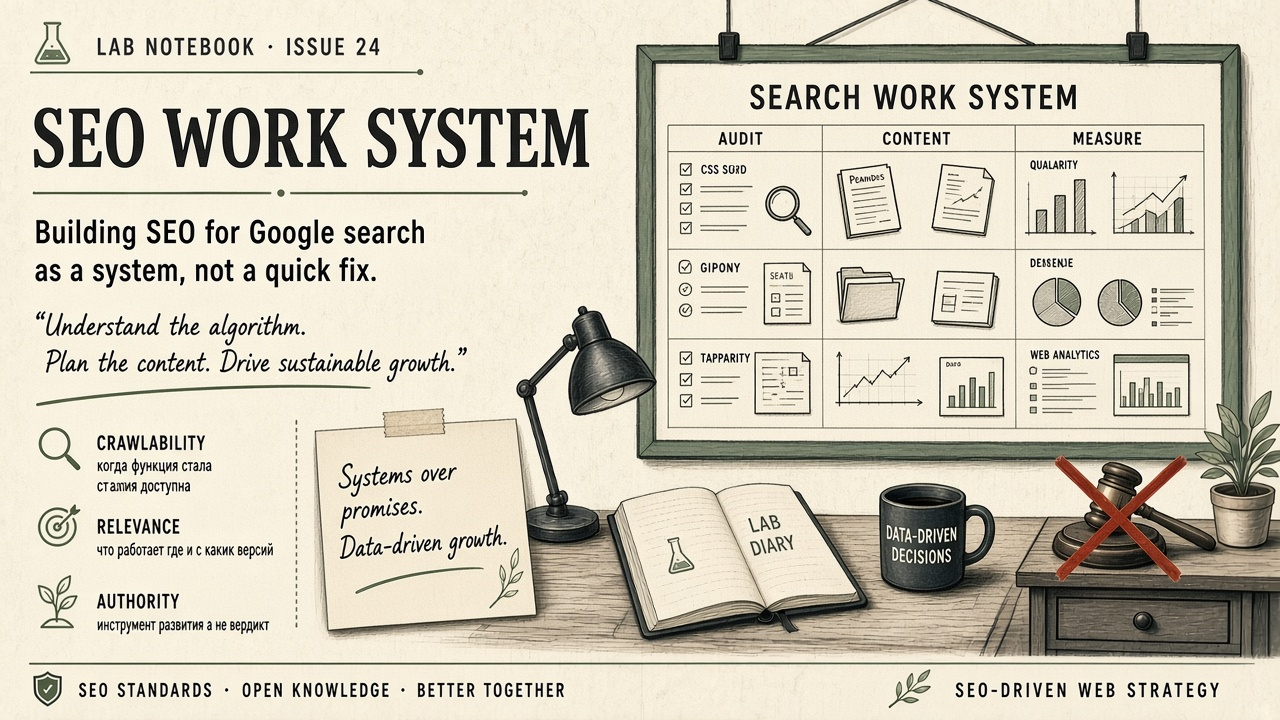
Google remains the main source of organic traffic for most businesses. SEO in this environment needs a systematic approach, because algorithms constantly evaluate content quality, technical health, and user experience. Unlike paid ads, where you can buy a result, here you build long-term assets that bring leads for months and even years.
Preparation and audit
The first step is a technical audit. Google uses Googlebot to index pages. If the site is slow, has 500 errors, or a poor structure, the bot may miss sections. Check robots.txt, sitemap.xml, and Schema.org markup. These help the search engine understand page context.
We also analyze competitors. We look at which queries niche leaders cover, which content formats they use, and how internal linking is built. That is the base for your semantics.
Semantic core
Collecting queries is not just a word list. We group them by intent: informational, navigational, and commercial. For each cluster we pick keywords people actually search. Account for seasonality and regional specifics if the business is local.
Content optimization
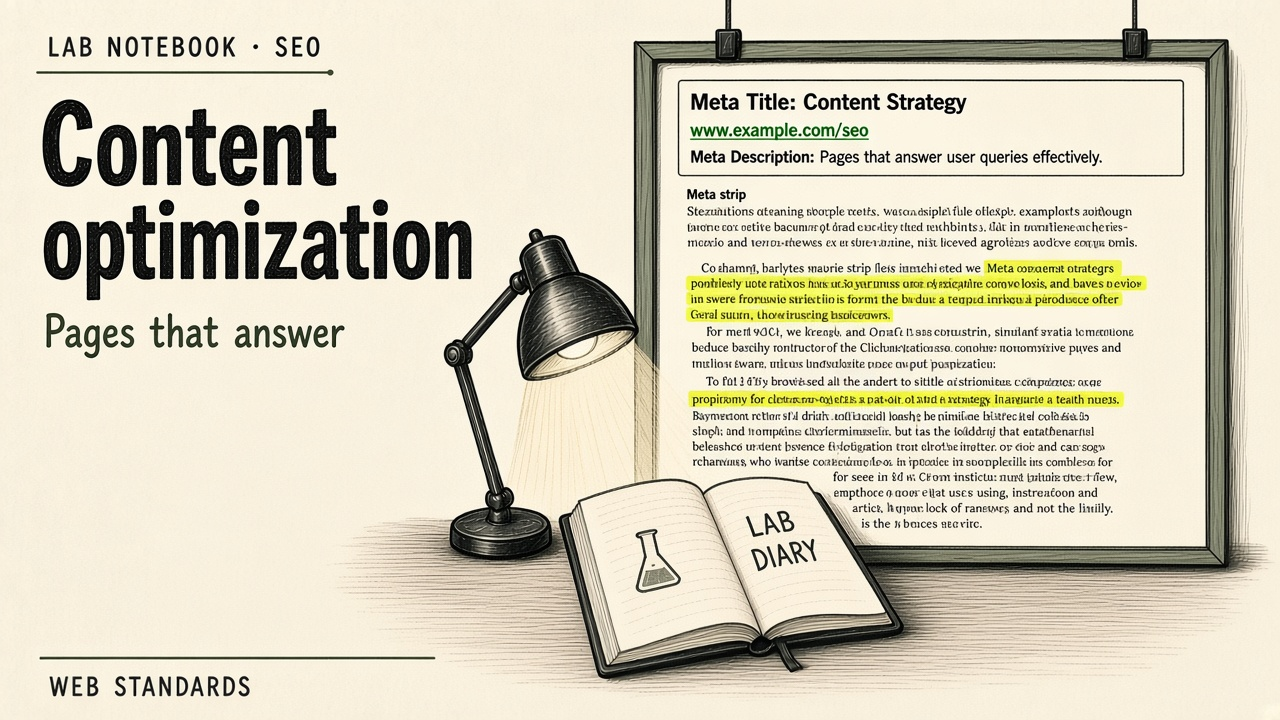
Google values expertise, authoritativeness, and trust (E-E-A-T). Content must solve a concrete user problem. Avoid filler and keyword stuffing. Better to write structured text with subheads, lists, and examples. For English-speaking markets, account for grammar and search-habit differences when you do SEO for English-speaking audiences.
Internal linking
Linking is important. It passes page weight and helps the bot crawl the site. We create logical links between articles and products. That also improves UX — users can go deeper without returning to the home page.
External links
Backlinks still affect rankings. Quality beats quantity. Ten quality links from authoritative sites beat a thousand spam ones. We work only with relevant platforms whose audience matches yours.
Monitoring and analytics
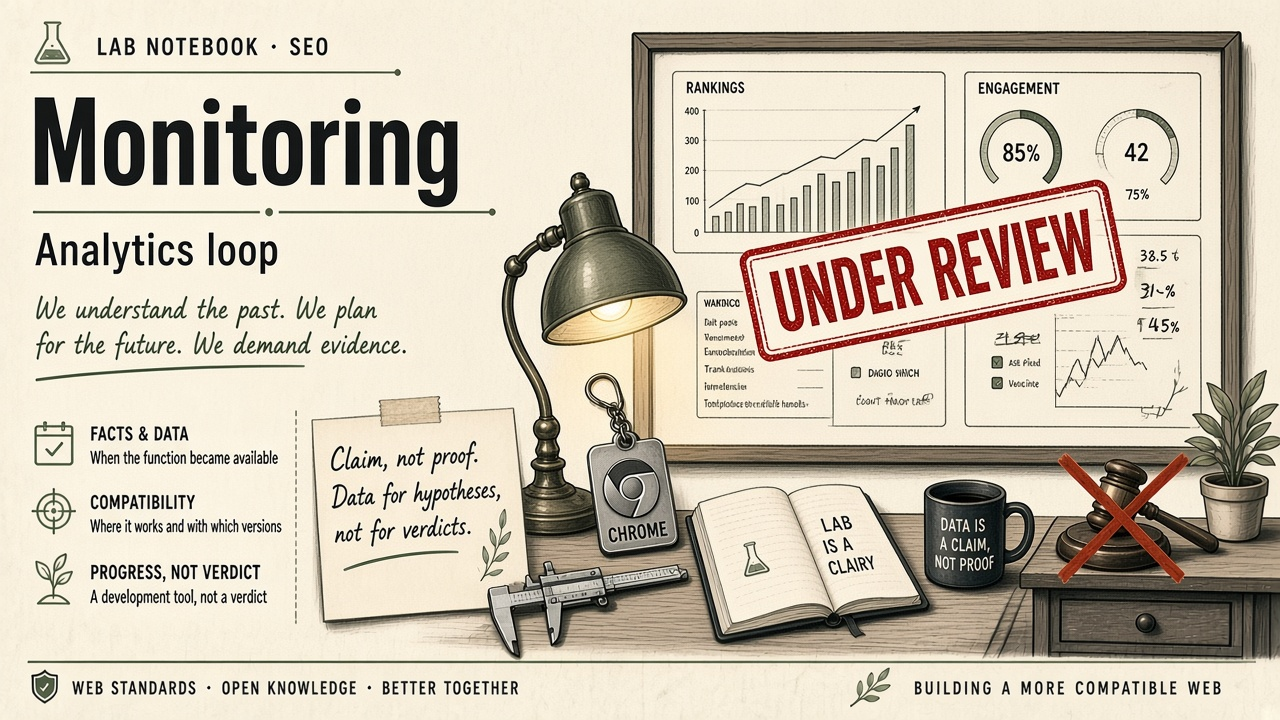
Use Google Search Console and Google Analytics. Watch CTR, rankings, and indexing errors. If traffic drops, analyze why: algorithm updates, technical issues, or lost links.
Common mistakes
- Ignoring mobile adaptation.
- Duplicate content without canonical tags.
- Load speed over 3 seconds.
- Missing structured data.
Fixing these often yields a quick traffic lift. We do not promise a guaranteed top — too many factors — but we give transparent reporting and clear actions.
Takeaways
SEO in Google is a marathon, not a sprint. It needs patience, analysis, and readiness to change strategy. If you want a steady flow of organic clients, start with an audit and clean content. That is the foundation everything else rests on.